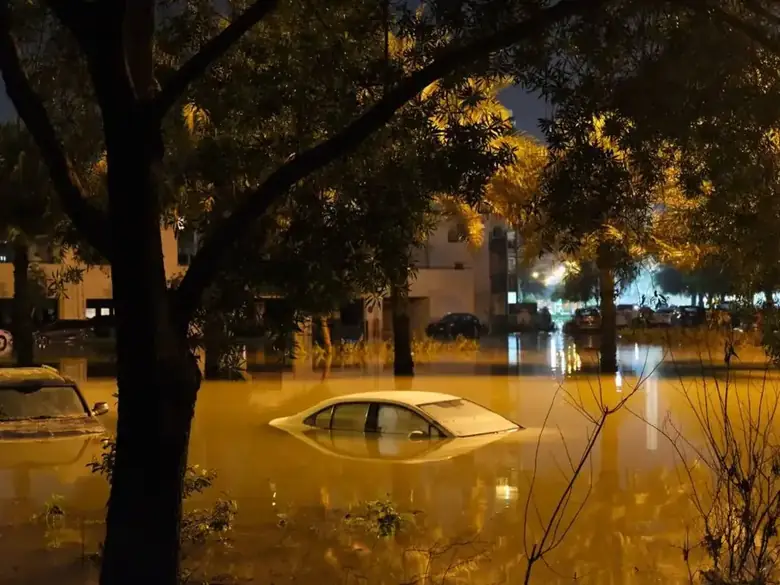
Lewisville sits at the south end of Lewisville Lake, where the Elm Fork of the Trinity River leaves the dam and runs through the bottomlands toward Carrollton. In the spring of 2015, weeks of heavy rain pushed the lake to record levels and kept the Elm Fork high for weeks. Most flood losses here are smaller and faster: a spring cloudburst overwhelms a street drain, and water pushes under a garage door or through a patio door.
Why flood water is handled differently
Water that crossed a yard, a street or a creek bank carries soil, fuel, lawn chemicals and sewage. The IICRC S500 standard treats it as Category 3. That changes the whole job.
- The extraction crew works in protective gear and extracts with contaminated-water protocols.
- Carpet, pad, insulation and drywall that the water touched come out and are bagged.
- Hard surfaces are cleaned and treated with an EPA-registered antimicrobial at its label dwell time.
- Containment and HEPA air scrubbers keep the work area from spreading dust to clean rooms.
Where Lewisville floods first
- Low streets near the Elm Fork and the creeks that feed it
- Homes with patios or yards graded toward the house
- Garages and ground floor apartments that sit a step below the street
- Commercial buildings with flat roofs and interior drains that back up in a downpour
Do not walk through flood water inside the house until power to that area is off. Check the National Weather Service flood safety page before re-entering.
Flood coverage is its own policy
Rising surface water is usually excluded from a standard homeowners policy and falls under separate flood coverage, while storm water that came through a roof opening may be treated differently. FEMA flood maps show whether a property sits in a mapped flood zone. Coverage depends on your policy, so it is worth checking with your own insurer. A moisture map, photos and the category of the loss go in the file regardless.